


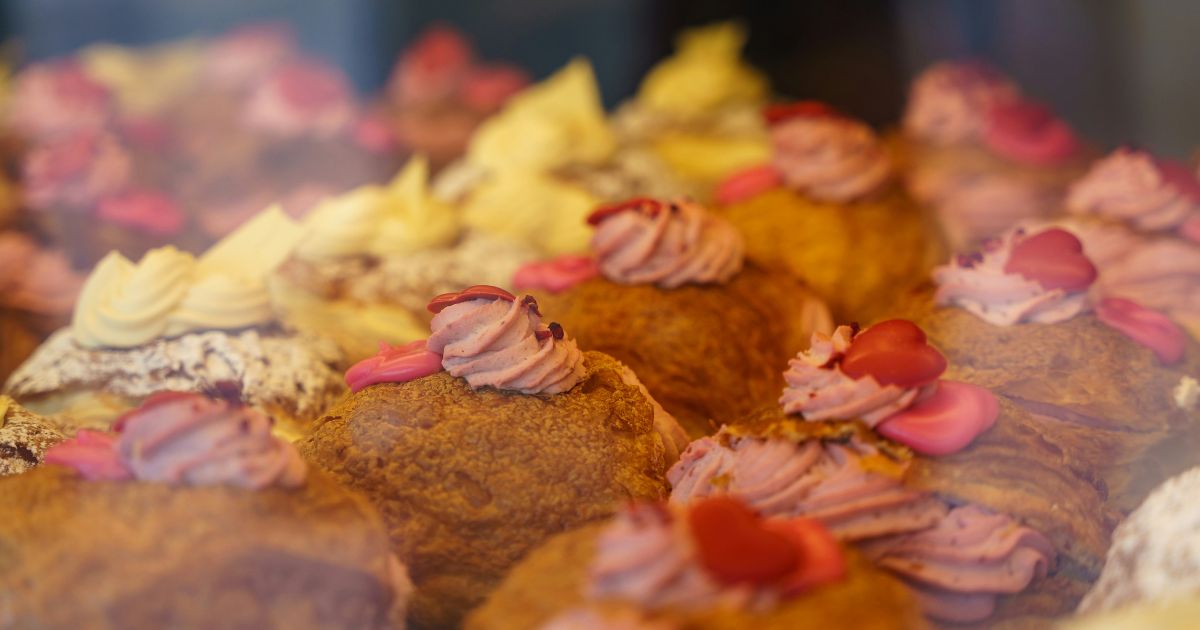

If you visit Denmark between January and March, make sure you’ll try one of the many Fastelavnsboller that are on display in most Danish bakeries. These sugar-sweet filled buns are so popular that Danes are happy to queue up for them, even though some Fastelavnsboller don’t come cheap.
The tradition is related to carnival and is a remnant of the Catholic period in Denmark, when people had to fast for 40 days leading up till Easter. Before meat and sweets were removed from the table, people were allowed to indulge in all kinds of delicacies one last time. After the Reformation in the Middle Ages, fasting disappeared, but other Fastelavn festivities remained.
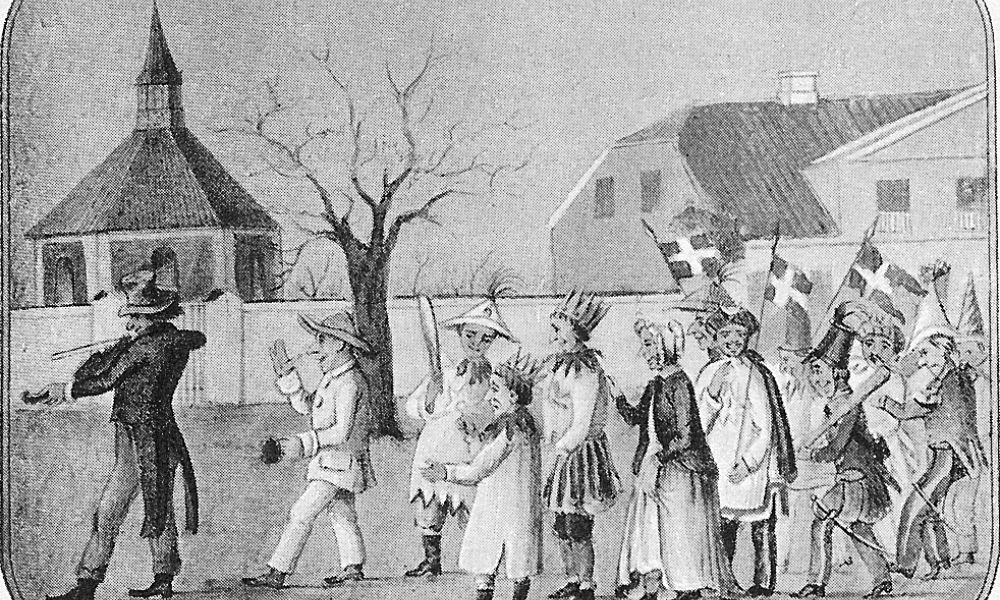
In addition to eating sweet buns, Fastelavn is now mainly celebrated as a children's festival. Children dress up as pirates, furry animals or superheroes, grab a stick and hit a wooden barrel filled with candy that has been hung up. In the past, there was also a living cat inside, which could escape when the barrel was beaten apart. Fortunately, that cat has long since been replaced by a toy animal or a collection of rags.
This centuries-old custom of slå katten af tønden is also still observed in parts of Sweden, England and the Netherlands. In the past, the cat symbolised negative things. By hitting the wooden barrel, the cat – and with it the potential evil – was chased away.
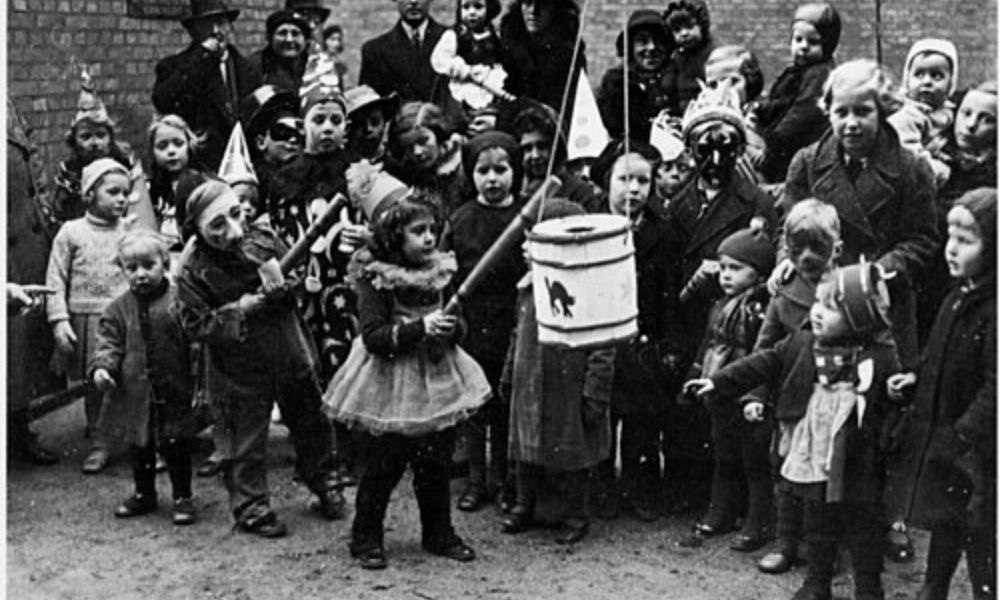
Most grown up Danes nowadays refrain from hitting wooden barrels in trees, but they don’t seem to mind eating Fastelavnsboller for weeks on end.
Fastelavnsboller used to be quite simple. In the 18th and 19th centuries, they were often little more than a soft white bun. Nowadays, they have become a true culinary spectacle. From January onwards, bakeries are transformed into battlefields of creativity. There are classic yeast dough buns, puff pastry varieties, buns with vanilla cream, whipped cream, chocolate, raspberry, pistachio and mocha. Most are round and puffy, but some end up as tall structures with exotic fillings like yuzu or pistachio.
Social media further fuels the Fastelavnsbolle craze. Instagram is full of perfectly lit cross-sections with cream oozing out seductively, while hashtags such as #fastelavnsbolle and #creamdream subtly direct you to the nearest bakery, where you sometimes find long queues at the entrance.
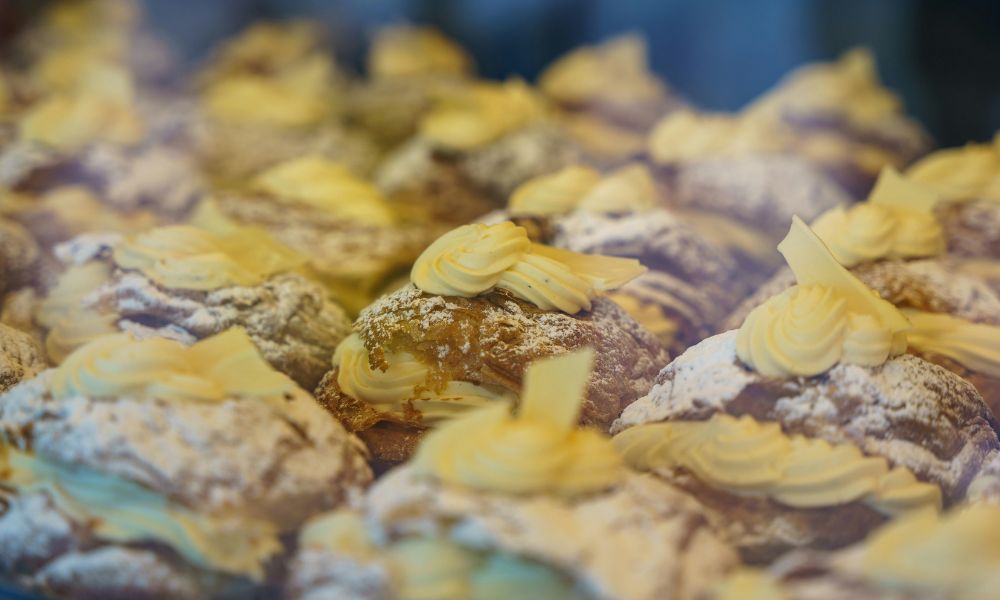
People are seriously debating whether puff pastry is superior to soft dough, and friendships are being strained over disagreements about the right ratio of cream to bread.
Even at work, you can't escape the sweet buns. Many employers offer tasting sessions, where employees can judge for themselves whether the buns from Juno bakery are better than those from Hart, Skipper or Buka. Even the five-star Hotel D'Angleterre has joined the bolle battle. For 70 kroner (almost € 10), you can judge for yourself whether their bun with yuzu and pineapple is better than the version with coffee and hazelnut from Piedmont. Which leaves only one question: how on Earth do the Danes stay so slim?
.jpg)


